Description
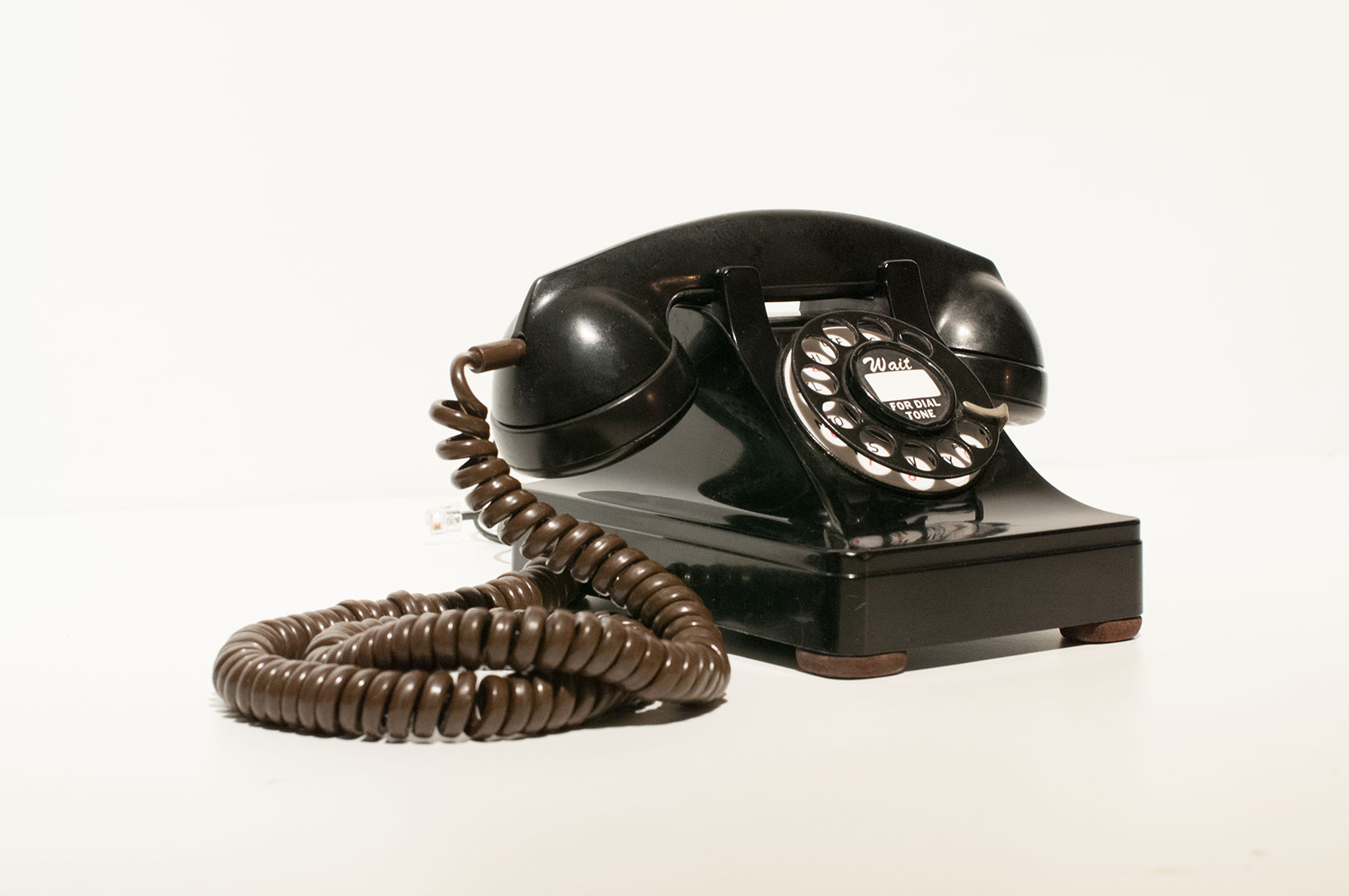
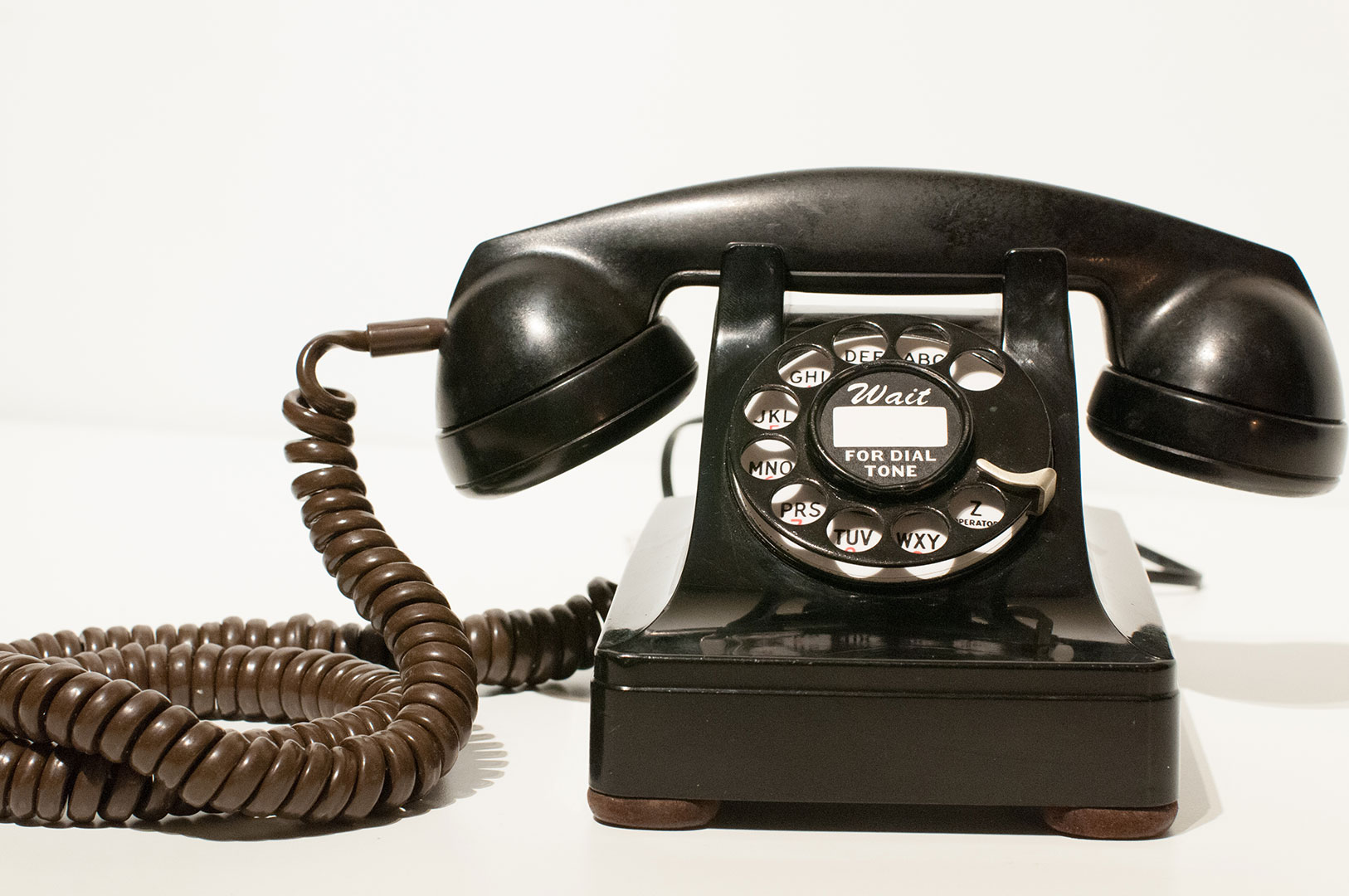
The design of a new desk telephone for the Bell System began approximately in 1930, at the time of introduction of the 102 and 202-type desk telephones, which required two separate enclosures for the telephone circuitry and components. The existing Western Electric telephones used an external subscriber set (subset), containing the ringer and network circuitry, typically mounted on a wall or desk side. New concepts of design and economic efficiency emerged in Europe as well as in the independent market in the US in the 1920s, which combined all components of the telephone in one desk set unit. The model 302 was the first Western Electric telephone to include the ringer and network circuitry in the same desktop unit. Designed by Bell Telephone Laboratories engineer George Lum starting in the early 1930s,[1][2][3] the 302-type telephone included such design elements of contemporary technology by, for example, the Ericsson model DBH 1001 of 1931, conceived in 1929 by the Norwegian artist and designer Jean Heiberg,[4] and the Automatic Electric type 34 desk telephone, introduced in 1934. The design of a new desk telephone for the Bell System began approximately in 1930, at the time of introduction of the 102 and 202-type desk telephones, which required two separate enclosures for the telephone circuitry and components. The existing Western Electric telephones used an external subscriber set (subset), containing the ringer and network circuitry, typically mounted on a wall or desk side. New concepts of design and economic efficiency emerged in Europe as well as in the independent market in the US in the 1920s, which combined all components of the telephone in one desk set unit. The model 302 was the first Western Electric telephone to include the ringer and network circuitry in the same desktop unit. Designed by Bell Telephone Laboratories engineer George Lum starting in the early 1930s,[1][2][3] the 302-type telephone included such design elements of contemporary technology by, for example, the Ericsson model DBH 1001 of 1931, conceived in 1929 by the Norwegian artist and designer Jean Heiberg,[4] and the Automatic Electric type 34 desk telephone, introduced in 1934. The design of a new desk telephone for the Bell System began approximately in 1930, at the time of introduction of the 102 and 202-type desk telephones, which required two separate enclosures for the telephone circuitry and components. The existing Western Electric telephones used an external subscriber set (subset), containing the ringer and network circuitry, typically mounted on a wall or desk side. New concepts of design and economic efficiency emerged in Europe as well as in the independent market in the US in the 1920s, which combined all components of the telephone in one desk set unit. The model 302 was the first Western Electric telephone to
History
The design of a new desk telephone for the Bell System began approximately in 1930, at the time of introduction of the 102 and 202-type desk telephones, which required two separate enclosures for the telephone circuitry and components. The existing Western Electric telephones used an external subscriber set (subset), containing the ringer and network circuitry, typically mounted on a wall or desk side. New concepts of design and economic efficiency emerged in Europe as well as in the independent market in the US in the 1920s, which combined all components of the telephone in one desk set unit. The model 302 was the first Western Electric telephone to include the ringer and network circuitry in the same desktop unit. Designed by Bell Telephone Laboratories engineer George Lum starting in the early 1930s,[1][2][3] the 302-type telephone included such design elements of contemporary technology by, for example, the Ericsson model DBH 1001 of 1931, conceived in 1929 by the Norwegian artist and designer Jean Heiberg,[4] and the Automatic Electric type 34 desk telephone, introduced in 1934. The design of a new desk telephone for the Bell System began approximately in 1930, at the time of introduction of the 102 and 202-type desk telephones, which required two separate enclosures for the telephone circuitry and components. The existing Western Electric telephones used an external subscriber set (subset), containing the ringer and network circuitry, typically mounted on a wall or desk side. New concepts of design and economic efficiency emerged in Europe as well as in the independent market in the US in the 1920s, which combined all components of the telephone in one desk set unit. The model 302 was the first Western Electric telephone to include the ringer and network circuitry in the same desktop unit. Designed by Bell Telephone Laboratories engineer George Lum starting in the early 1930s,[1][2][3] the 302-type telephone included such design elements of contemporary technology by, for example, the Ericsson model DBH 1001 of 1931, conceived in 1929 by the Norwegian artist and designer Jean Heiberg,[4] and the Automatic Electric type 34 desk telephone, introduced in 1934. The design of a new desk telephone for the Bell System began approximately in 1930, at the time of introduction of the 102 and 202-type desk telephones, which required two separate enclosures for the telephone circuitry and components. The existing Western Electric telephones used an external subscriber set (subset), containing the ringer and network circuitry, typically mounted on a wall or desk side. New concepts of design and economic efficiency emerged in Europe as well as in the independent market in the US in the 1920s, which combined all components of the telephone in one desk set unit. The model 302 was the first Western Electric telephone to